Purpose
This page helps researchers, sports analysts, and basketball enthusiasts understand how individual player performance impacts team revenue and organizational success. By examining LeBron James' tenure with the Los Angeles Lakers, we show how data from multiple sources reveal insights about athlete value beyond traditional statistics.
Raw Data: LeBron's Lakers Statistics
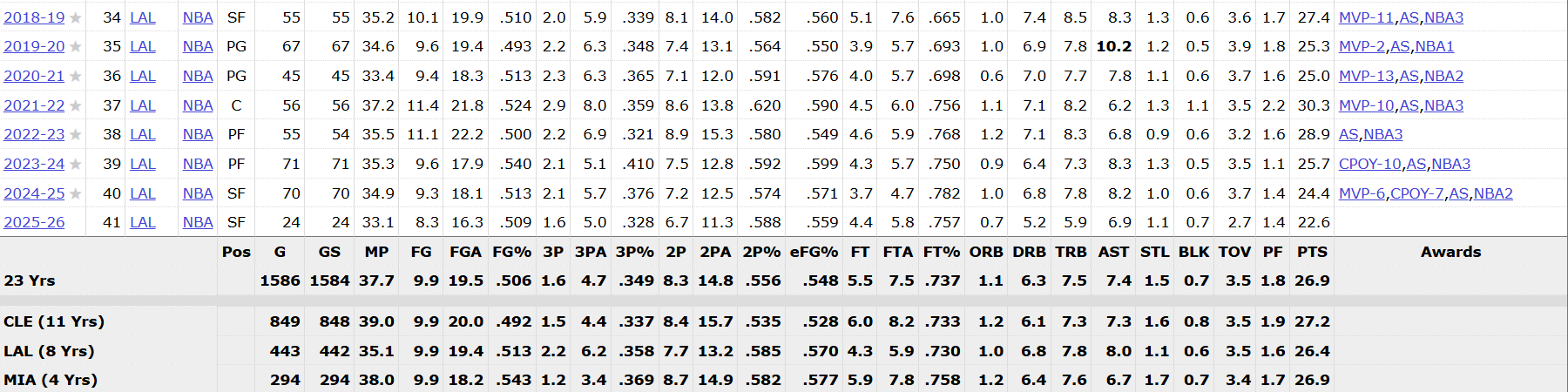
The foundation of our analysis begins with raw performance statistics for LeBron James during his tenure with the Los Angeles Lakers. This data is collected from authoritative sources and includes measurable metrics tracked throughout each season.
Performance Metrics Tracked
- Points Per Game (PPG) - average scoring contribution per game
- Efficiency Rating (TS%) - true shooting percentage measuring scoring efficiency
- Win Share (WS) - estimate of games won due to player's performance
- Player Efficiency Rating (PER) - overall player productivity metric
- Games Played (GP) - availability and consistency
These statistics are tracked consistently year-to-year, allowing us to identify patterns and compare seasons.
Team Revenue Data
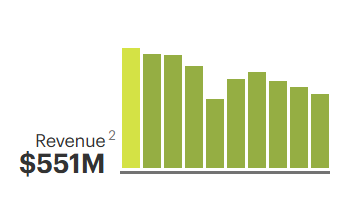
Alongside individual performance metrics, we examine the Lakers' annual revenue. This financial data shows the economic impact of the franchise and helps us correlate player performance with business success.
Information From the Data: Identifying Patterns
Once raw statistics are organized and analyzed, patterns emerge that transform numbers into meaningful information. By organizing LeBron's performance data chronologically and comparing it with team outcomes, we can identify his most impactful seasons.
LeBron's Peak Performance Seasons
Analysis of the data reveals that LeBron's most efficient seasons with the Lakers occurred during 2019-2020 and 2020-2021:
- Higher efficiency ratings compared to other seasons
- Greater impact on team wins (higher Win Shares)
- More consistent game availability
- Team advanced further in playoffs
- Coincided with significant revenue growth
Correlation Between Performance and Revenue
When LeBron's individual efficiency increased, the team's overall performance improved. These high-performance seasons corresponded with increased organizational revenue, suggesting that successful basketball translates to stronger business performance through ticket sales, merchandise, and media rights.
Interestingly, while LeBron's best-performing seasons were not the absolute highest-revenue years (likely due to other franchise factors), they demonstrate that efficiency and winning directly support the team's financial viability.
Knowledge & Insights: What This Means
Transforming raw data and identified patterns into actionable knowledge reveals broader truths about athlete value and franchise success.
Player Value Beyond Points
LeBron's value extends far beyond scoring. His efficiency and impact on team wins directly correlate with organizational success. The data shows that a complete player contributes to revenue through winning.
Star Athletes Create Economic Value
Championship-caliber players like LeBron directly influence team revenue through increased fan engagement, ticket sales, and media interest. His presence and performance justify premium pricing and sponsorship value.
Efficiency Matters More Than Volume
Rather than simply scoring more points, LeBron's most valuable seasons were those where he played most efficiently—doing more with the time he was on the court. This efficiency translates to wins and business success.
For Team Management & Owners
When evaluating player contracts and salary investments, teams should consider the complete performance picture including efficiency, consistency, and impact on wins—not just raw scoring numbers. LeBron's salary is justified not only by his statistics but by his direct contribution to team performance and resulting revenue.
For Marketing & Business Teams
High-performing seasons provide opportunities for targeted marketing campaigns. Teams can anticipate revenue trends based on player performance projections and adjust advertising budgets accordingly.
For Fans & Sports Analysts
Looking beyond traditional box scores provides deeper insight into what makes players truly valuable. By examining efficiency metrics and team outcomes together, fans can develop a more sophisticated understanding of the game and make more informed assessments of player quality.
Web Resources for Data Research
Basketball-Reference.com
Purpose: NBA statistics and player metrics.
https://www.basketball-reference.com/How to Use It
- Search for a player (e.g., "LeBron James") to access their career statistics
- Click on individual season rows to see detailed monthly and game-by-game data
- Use advanced filters to search for specific performance thresholds
- Access team pages to see roster composition and collective statistics

NBA.com Official Statistics
Purpose: Official NBA season data and records.
https://www.nba.com/statsHow to Use It
- Navigate to the "Stats" section to access player and team statistics
- Filter by season, team, or statistical category
- View advanced metrics like Player Efficiency Rating (PER) and True Shooting Percentage
- Access playoff statistics and tournament-specific data

Forbes Sports Business & Valuation Data
Purpose: Business-focused analysis of NBA teams, including annual valuations, revenue data, and ownership information.
https://www.forbes.com/nba-valuationsHow to Use It
- Access the annual NBA team valuation list to compare franchises
- Review individual team profiles for revenue and financial data
- Read detailed articles analyzing team performance and business trends
- Compare revenue year-over-year to identify growth patterns

Practical Application: Using These Resources Together
Now that you understand the three primary resources, let's walk through a complete example of how to use them together to draw meaningful insights about player value and team performance.
Step 1: Start with Player Performance Data (Basketball-Reference)
Begin your research at Basketball-Reference by searching for the player you want to analyze. Navigate to the player's page and examine season-by-season statistics. Look for seasons where efficiency metrics are notably high.
Step 2: Cross-Reference with Official NBA Data (NBA.com)
Verify your findings using NBA.com's official statistics. This provides confirmation and often includes additional context about playoff performance and championships won during those seasons.
Step 3: Connect to Business Outcomes (Forbes)
Finally, examine how the team's financial performance correlates with individual player performance. Pull the Lakers' revenue data for the same years you analyzed.
Drawing Your Conclusion
By combining data from all three sources, we learn that LeBron's peak efficiency seasons (2019-2021) coincided with championship success and substantial revenue. His efficiency, consistency, and championship-winning impact made him invaluable to the organization's success.
Conclusion
Key Findings: LeBron's most efficient seasons (2019-2021) coincided with championship success and substantial organizational revenue. The critical link between individual player performance and team success is clear.
The Broader Lesson: By learning to access and interpret data from Basketball-Reference, NBA.com, and Forbes, you can research virtually any sports analytics question. These three resources provide the foundation for data-informed analysis.
Next Steps: Apply what you've learned to other players, teams, or eras of basketball. Learning to ask the right questions and interpret results separates casual observation from meaningful analysis.